Business activity
Sri Lanka's Factories and Services Both Pick Up Speed in October, Central Bank Survey ShowsFactories and Services Pick Up Speed in October
The manufacturing PMI rose to 55.3 from 53.0 as apparel and food makers took festive-season orders, and the services index climbed to 62.5 from 60.5. Firms expect the good run to last, but name global uncertainty as the main risk.

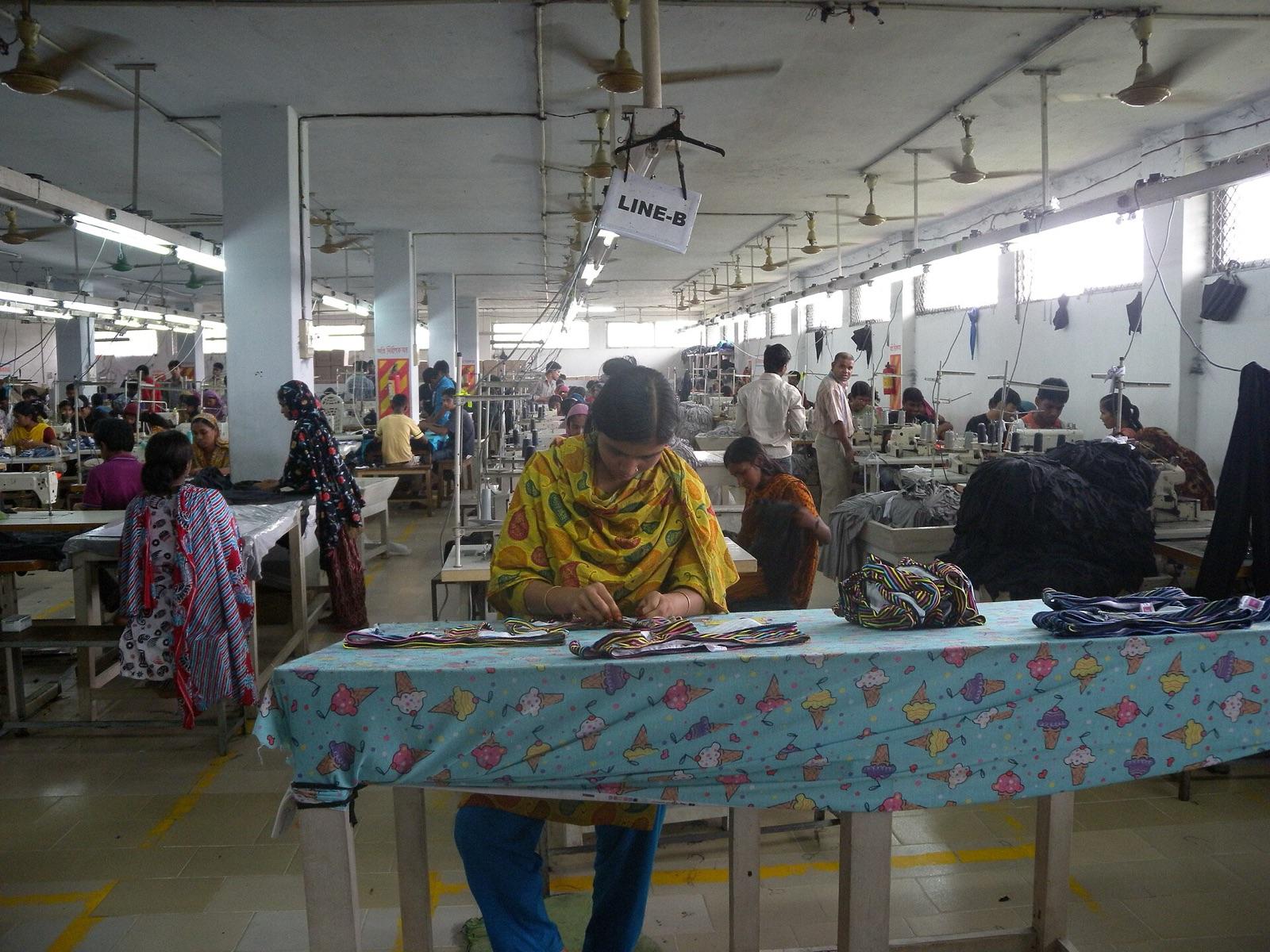
Sri Lanka's factories and service businesses both grew faster in October, according to the Central Bank of Sri Lanka's monthly survey of purchasing managers, with apparel and food producers gearing up for the festive season and banks, transport firms and personal-service companies reporting more work.
The Purchasing Managers' Index for manufacturing rose to 55.3 in October from 53.0 in September, the central bank's Statistics Department said in a release on 16 November. The services index, which measures business activity at service companies, climbed to 62.5 from 60.5. Any reading above 50 means that more firms reported an increase than a decrease compared with the previous month, so both sectors were expanding, and at a faster pace than in September.
Orders arrive ahead of the festive season
The central bank described October's manufacturing growth as broad-based, with every part of the index above the neutral 50 line. The clearest improvement came in new orders, the component most closely watched as a guide to future output. The new orders sub-index rose to 55.0 from 51.0, which the bank attributed to the manufacture of textiles and wearing apparel and to the food and beverages sector, reflecting seasonal demand.
Production also increased, with the sub-index edging up to 52.2 from 51.0, again driven by seasonal demand for textiles and apparel. Apparel is Sri Lanka's largest manufactured export, and its factories typically run hard in the final months of the year to supply buyers in Europe and North America for the holiday season, while local food and beverage makers stock up for Christmas and the new year.
Manufacturers bought more raw materials to keep up. The stock of purchases sub-index jumped to 56.1 from exactly 50.0 in September, meaning firms moved from holding stocks steady to building them. Suppliers' delivery times lengthened further, with that sub-index rising to 66.1 from 63.0. In a PMI survey, slower deliveries are counted as a sign of strength rather than weakness, because they usually reflect suppliers struggling to keep up with demand; the central bank said the longer delivery times reflected increased demand for inputs.
Employment was the one component that grew more slowly. The employment sub-index eased to 51.1 from 52.6, still above 50, which means factories as a whole were still adding staff, just at a slower rate than in September. The central bank said employment expanded in line with the growth in new orders and production.
Services: banks, transport and personal services
Sri Lanka's services sector, which accounts for the largest share of the economy, had an even stronger month. The services PMI, which tracks business activity, rose to 62.5, with the central bank noting that services were expanding at a higher rate than in the previous month. The bank said the expansion was driven mainly by other personal services, with notable contributions from financial services and the transport of goods.
New business continued to grow, although the sub-index slipped to 59.8 from 60.9. The bank said the gain came mainly from financial services and other personal services, with positive contributions from accommodation, food and beverage services, and the transport of goods. Accommodation and food services are closely tied to tourism, which has been running at record levels: the Sri Lanka Tourism Development Authority recorded 168,625 international arrivals in October, the most for any October on record.
Service companies hired more people. The employment sub-index rose to 56.1 from 54.0, which the central bank said reflected recruitment across several sub-sectors to meet rising operational requirements. Backlogs of work, a measure of orders received but not yet completed, fell to 48.1 from 49.4. A reading below 50 here means firms were clearing their workloads faster, which can indicate they have the capacity to take on more business.
Confident, but watching the world
Both sectors expect the good run to continue. Manufacturers' outlook for the next three months was described by the central bank as favourable, underpinned by anticipated demand during the upcoming festive season. Among service firms, the expectations index stood at 74.7, slightly below September's 76.2 but still far above 50. The bank said service providers' optimism rested on favourable macroeconomic conditions, an expected increase in tourist arrivals and the festive season.
The central bank added a note of caution, saying that prevailing global uncertainties continue to pose downside risks to the outlook. Sri Lanka's exporters are exposed to demand in the United States and Europe, and the economy remains sensitive to oil prices, which rose sharply this year after attacks on shipping in the Gulf before easing in recent weeks. Higher fuel and transport costs have also pushed up consumer prices: inflation in Colombo rose to 8.3% in October, according to the Department of Census and Statistics.
How the survey works
The Sri Lanka PMI is compiled by the central bank using the methodology of S&P Global, which produces purchasing managers' indices for more than 40 economies. Each month, large companies in the Western Province are asked whether a range of measures, such as orders, output, staff numbers and stocks, increased, decreased or stayed the same compared with the previous month, and why. The sample is drawn from a list of companies held by the bank's Employees' Provident Fund Department, weighted by each sector's share of GDP, with a target of 100 responses each for manufacturing and services.
The answers are combined into a diffusion index between 0 and 100. A reading of 50 means activity was unchanged on the month; above 50 means more firms reported growth than decline. The headline manufacturing PMI is a weighted average of new orders, output, employment, suppliers' delivery times and stocks of purchases. For services, the business activity index serves as the headline figure. Because the surveys are completed in the first half of the following month, the PMI is one of the earliest readings available on how the economy performed, weeks before official production and GDP statistics are released.
Sri Lanka's October readings put it in step with much of the world. The central bank's comparison of S&P Global's latest surveys showed manufacturing also expanding in India, China, the United States, the United Kingdom and the euro area, though at a slower rate in most of them. For a country still rebuilding after the 2022 economic crisis, a month of faster growth in both its factories and its services firms, heading into the busiest season of the year, is an encouraging sign.