Tourism
Sri Lanka Welcomes Its Busiest October Ever, Led by Visitors From IndiaSri Lanka's Busiest October for Tourists
More than 168,000 visitors arrived in October, beating a record set in 2018. But the country still needs another 838,000 in the last two months of the year to reach its 2.7 million target.

Sri Lanka has just had its busiest October on record for foreign visitors, a milestone that shows how far the tourism industry has come since the setbacks of the past seven years — and how much further it must go this year to meet its target.
A total of 168,625 international tourists arrived in October, according to the Sri Lanka Tourism Development Authority (SLTDA). That was 2.1% more than the 165,193 who came in October 2025, and well above the previous October record of 153,123, set in 2018.
Where visitors came from
India was by far the largest source of visitors, with 62,211 arrivals, or about 37% of the month's total. The United Kingdom was second with 12,402, followed by China with 11,190, Australia with 8,509 and Germany with 8,027. Russia (6,750), France (5,042), Bangladesh (4,528), the United States (3,749) and the Maldives (3,492) completed the top ten.
India's dominance reflects its proximity, frequent and affordable flights, strong cultural and religious links, and the growth of India's middle class. October also coincides with festival holidays in India, when many families travel. Short trips from Indian cities, often combining Colombo's hotels and shopping with visits to temples, beaches and the hill country, have become a mainstay of the industry.
Arrivals averaged about 5,440 a day across the month. The busiest single day was 17 October, with 7,045 arrivals, and the busiest week ran from 15 to 21 October, when 42,739 visitors came.
A long road back
That the previous October record dated from 2018 says a great deal about the industry's recent history. In April 2019, the Easter Sunday bombings of churches and hotels killed more than 250 people and caused tourist numbers to collapse. A year later, the Covid-19 pandemic closed borders around the world. Then, in 2022, Sri Lanka's economic crisis brought fuel shortages, power cuts and mass protests, and many governments advised their citizens against travel.
Since then, the industry has rebuilt steadily, helped by a weaker rupee that made the country cheaper for foreign visitors, by campaigns in key markets and by word of mouth. October's record is a sign that recovery has turned into growth.
The target challenge
Even so, the country faces a steep climb to reach its goal for the year. Between January and October, 1,862,304 tourists arrived. The revised target for 2026 is 2.7 million, which means Sri Lanka needs about 837,700 more visitors in November and December — an average of nearly 420,000 a month, far above October's total.
November and December are traditionally busier than October, as the European winter season begins and holidaymakers head for the beaches of the south and west coasts. But the gap between this year's monthly run-rate and what the target requires is large, and industry observers have described it as a difficult goal to reach.
The shape of the season
Sri Lanka's position near the equator, and its two monsoons, mean that some part of the island is usually in season. From roughly November to April, the south and west coasts — Galle, Mirissa, Bentota, Hikkaduwa — enjoy their driest, sunniest months and draw most international holidaymakers. From around May to September, the east coast, around Trincomalee, Pasikudah and Arugam Bay, has its turn.
That pattern explains why the final two months of the year matter so much for arrivals. It also means that October's record, set before the main winter season begins, is a promising sign for the months ahead, even if the full-year target remains a stretch.
The mix of visitors also shapes how the industry plans. Visitors from India tend to make shorter, more frequent trips, often over long weekends and festivals, while travellers from Europe and Australia are more likely to come for two weeks or longer during the winter. Hotels, airlines and tour operators adjust their prices and packages accordingly.
What tourism means for the economy
Tourism is one of Sri Lanka's most important sources of foreign currency, alongside exports and money sent home by Sri Lankans working abroad. Every visitor brings dollars, euros or rupees that help the country pay for imports and rebuild its reserves. The industry also employs large numbers of people, directly in hotels, restaurants and transport, and indirectly through farmers, craftspeople and suppliers.
Rising costs are a concern. Prices at restaurants and hotels in Colombo were 13.4% higher in October than a year earlier, according to the Department of Census and Statistics, and transport costs were up 17.6%, largely because of higher fuel prices. Sri Lanka's attraction as a good-value destination depends on keeping those costs in check.
New experiences, new markets
The industry is also trying to attract higher-spending visitors, not only more of them. Ideas range from luxury eco-lodges and wellness retreats to new transport links. On Wednesday, Sri Lanka held its first official passenger-drone flight at Colombo Port City, with officials naming air links to attractions such as Sigiriya among the possible future uses.
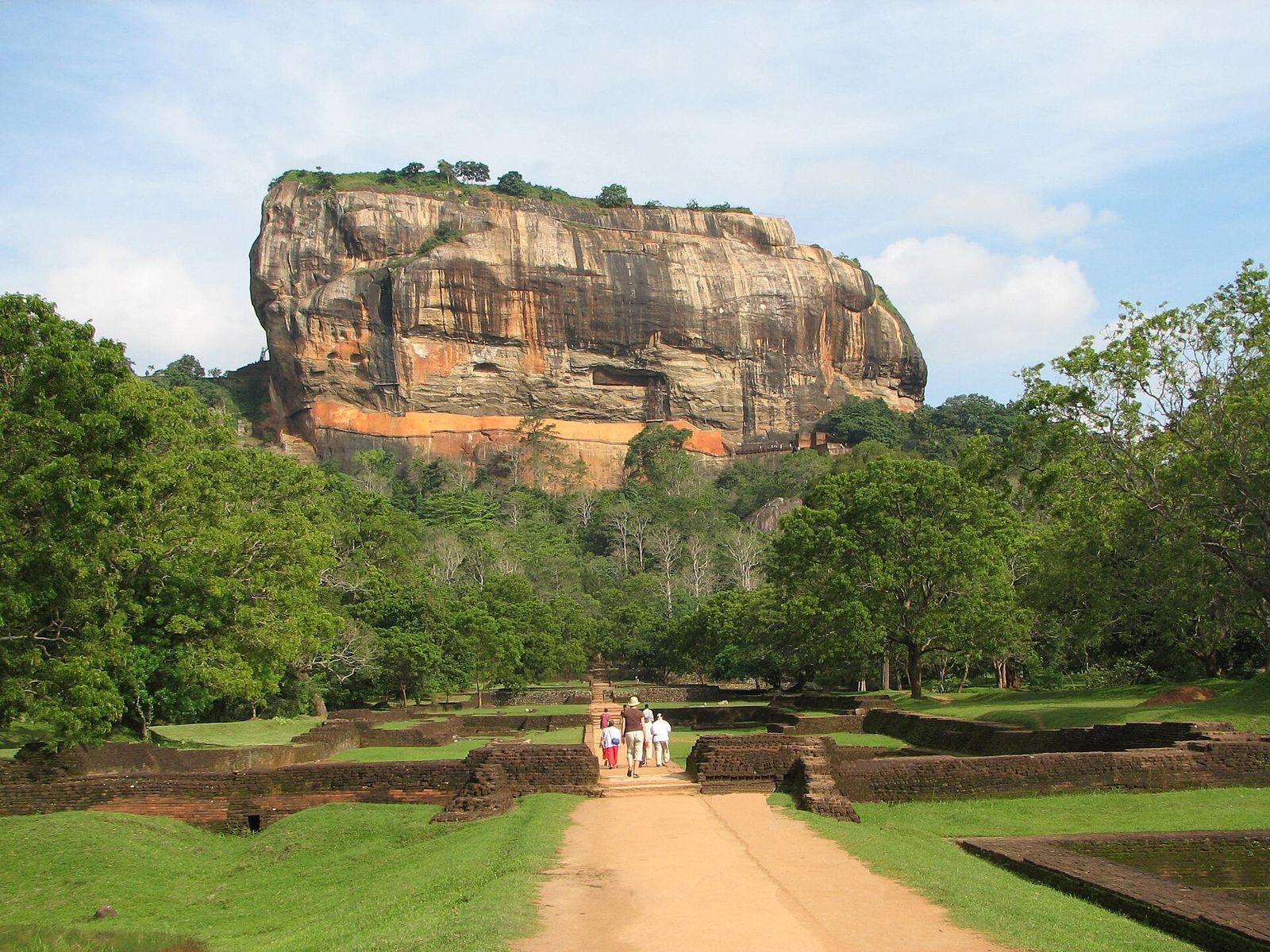
Sigiriya, the fifth-century rock fortress in the island's centre, remains one of the most visited sites in the country, along with the temple cities of Anuradhapura, Polonnaruwa and Kandy, the tea country around Nuwara Eliya and Ella, the wildlife parks of Yala and Udawalawe, and the colonial fort town of Galle.
A word to travellers
Visitors arriving in the coming weeks should note that the north-east monsoon brings heavy rain to the north and east of the island at this time of year, while the south and west coasts enter their main dry season. The Department of Meteorology has forecast heavy showers in several provinces this week, so travellers are advised to check local forecasts before setting out on long journeys or visiting hill-country areas prone to landslides.
What to watch
The SLTDA publishes weekly arrival figures, which will show early in December how November performed. The winter season, the strength of the Indian market and the course of the Middle East conflict — which affects flight routes and fuel costs for airlines — will decide how close Sri Lanka gets to its 2026 goal.