Middle East
Oil Holds Near $93 as Tanker Attacks in the Strait of Hormuz ContinueOil Near $93 as Hormuz Attacks Continue
Brent crude rebounded on Wednesday as fresh strikes on tankers in and around the Strait of Hormuz offset a surge in OPEC+ output. For oil-importing Asia, the conflict is already showing up in fuel bills and inflation.

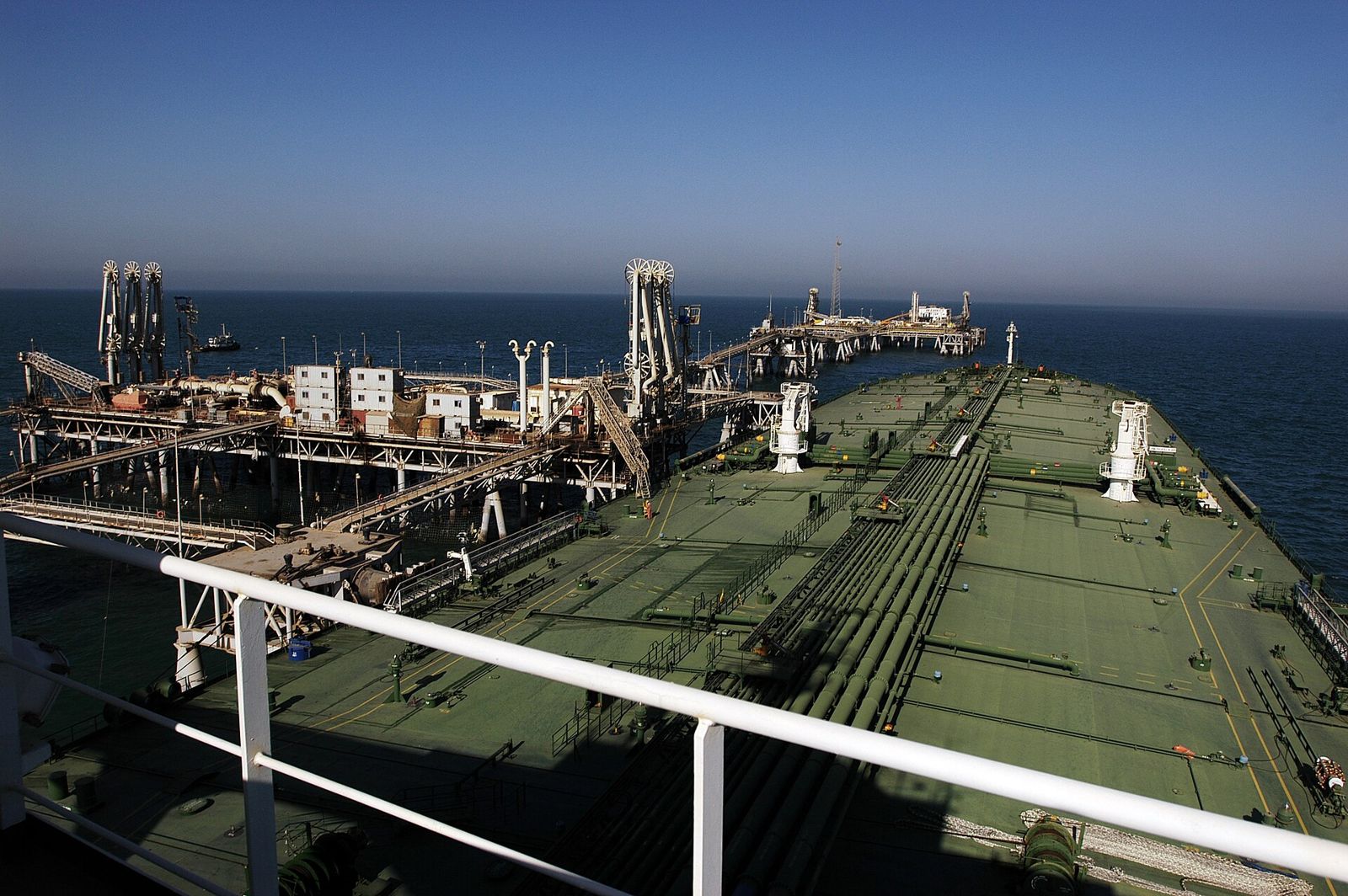
Oil prices edged higher on Wednesday as attacks on tankers in the Gulf showed no sign of easing, reminding markets that the world's most important oil shipping lane remains a war zone even as supply from elsewhere rises.
Brent crude, the international benchmark, traded at around 93 dollars a barrel on Wednesday, recovering from about 91.70 dollars on Tuesday. Prices have come down from above 100 dollars earlier in the month — Brent closed at 103.60 dollars on 3 November — as expectations of a de-escalation grew and producers in the OPEC+ group raised output sharply. But they remain roughly 40% higher than a year ago.
A shipping lane under fire
The Strait of Hormuz, the narrow passage between Iran and Oman, normally carries about a fifth of the oil the world consumes. Since the war between the United States and Israel on one side and Iran on the other began in late February, Tehran has severely restricted traffic through it.
Attacks on ships have intensified in recent weeks. At least 10 vessels were hit in the first ten days of November, following 37 attacks in October — the highest monthly total since the conflict began — according to data compiled by the Washington Institute for Near East Policy.
On Saturday, at least two tankers were attacked in the Strait. One of them, the oil products tanker Navig8 Messi, which is indirectly owned by the UAE-based ADNOC Logistics & Services, caught fire. Its crew were evacuated, and no injuries were reported.
Iran's Islamic Revolutionary Guard Corps (IRGC) said on Wednesday that two more tankers attempting what it called an unauthorised route through the Strait had struck naval mines. The IRGC has attributed several recent incidents to mines; US officials have disputed that account. Much of the information about individual incidents comes from Iranian military and state media statements and has not been independently confirmed.
Separately, the United Kingdom Maritime Trade Operations centre, which monitors shipping security in the region, reported last week that a tanker had been struck by two projectiles about 50 nautical miles north of Madinat ash-Shamal in Qatar. The LNG carrier Al Mayeda, operated by Qatar's Nakilat, was hit by unidentified objects on 30 October; Nakilat said no crew were injured and the ship remained operational. The UKMTO has said it is struggling to report attacks accurately because many ships now decline to report incidents.
Supply from elsewhere
What has kept prices from climbing further is supply. Producers in the OPEC+ group have increased output by more than 2 million barrels a day, according to market reports, partly to make up for oil that cannot leave the Gulf safely. Some Gulf exporters are also finding ways to keep oil moving: the Saudi shipping company Bahri has said it is sending tankers through the Strait in coordination with the US military.
The US Energy Information Administration, in its November Short-Term Energy Outlook, assumed that oil flows from the Middle East would remain somewhat constrained and forecast Brent spot prices averaging around 100 dollars a barrel in November and December. Prices so far this week have been below that.
Diplomacy and the risk of escalation
Qatar is mediating between the sides. Its foreign ministry said on Tuesday that both had been reviewing mediators' proposals and that talks were continuing. Hopes of de-escalation helped bring prices down from their peak. At the same time, reports that US forces are positioned to resume major operations against Iran have kept markets on edge, and Iran's leadership has rejected what it describes as pressure to submit.
For traders, that combination means prices can move sharply on a single headline — a breakthrough in talks or a major attack on a large tanker.
Why Asia feels it first
Asia is the largest buyer of Gulf oil. China, India, Japan and South Korea import large volumes of crude through Hormuz, and smaller economies across South and Southeast Asia depend heavily on imported fuel. When the flow from the Gulf is disrupted, Asian refiners must pay more, find oil from further afield, or both.
The effects are visible in inflation data across the region and beyond. In Sri Lanka, which imports all its crude oil and refined fuel, the central bank has said higher energy prices are the main reason inflation has risen; consumer prices in Colombo rose 8.3% in the year to October, with transport costs up 17.6%. In the eurozone, energy prices were almost 21% higher in October than a year earlier, pushing inflation to 4%. In the United States, energy prices rose 0.7% in October alone.
The conflict is also hitting trade in other goods. Sri Lanka's tea exports to the United Arab Emirates, Iran and Iraq fell sharply in September as shipping to the region became harder and more expensive to insure.
The environmental cost
Beyond prices, the attacks carry an environmental toll. Damaged tankers have leaked oil into the Gulf's waters, according to reports from the region, threatening fisheries, coral reefs and the desalination plants on which Gulf cities rely for drinking water. The full scale of the damage is not yet known.
What to watch
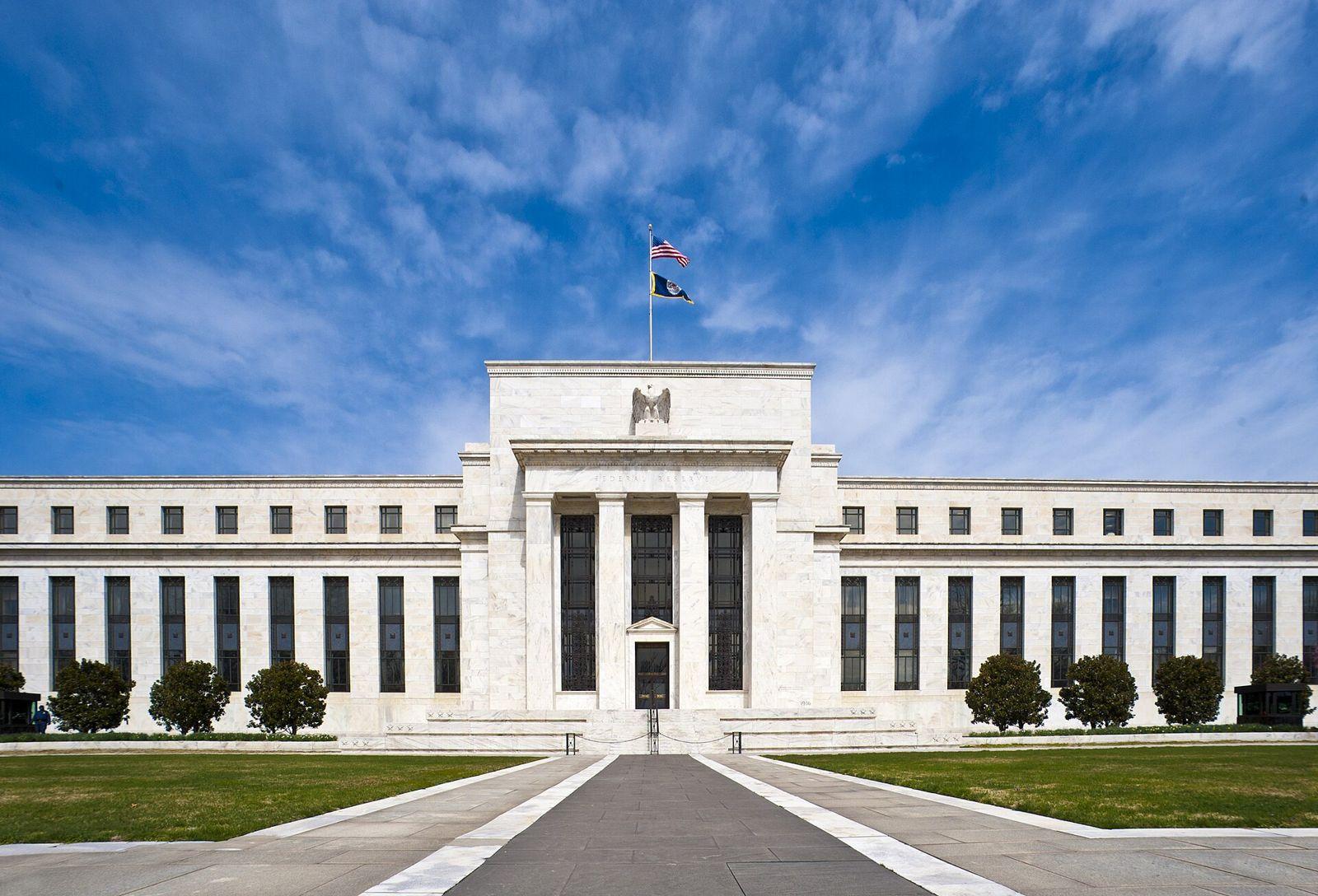
Three things will shape oil prices in the coming weeks: whether Qatar's mediation produces a pause in attacks; whether OPEC+ sustains its higher output; and how fast demand slows as central banks in the United States and Europe raise interest rates to fight inflation. For Asian governments and households, the outcome will decide whether fuel and transport costs ease in the new year or keep climbing.
Live Brent prices are shown on the Asian Times markets board, which refreshes about once a minute.