Venture capital
Data Centres Dominate Southeast Asia's Startup Funding Rebound as India CoolsData Centres Dominate Startup Funding
Venture funding for Southeast Asian startups has climbed back to its highest level in years, but one giant data-centre deal accounts for most of it. In India, fundraising slipped again in the third quarter.

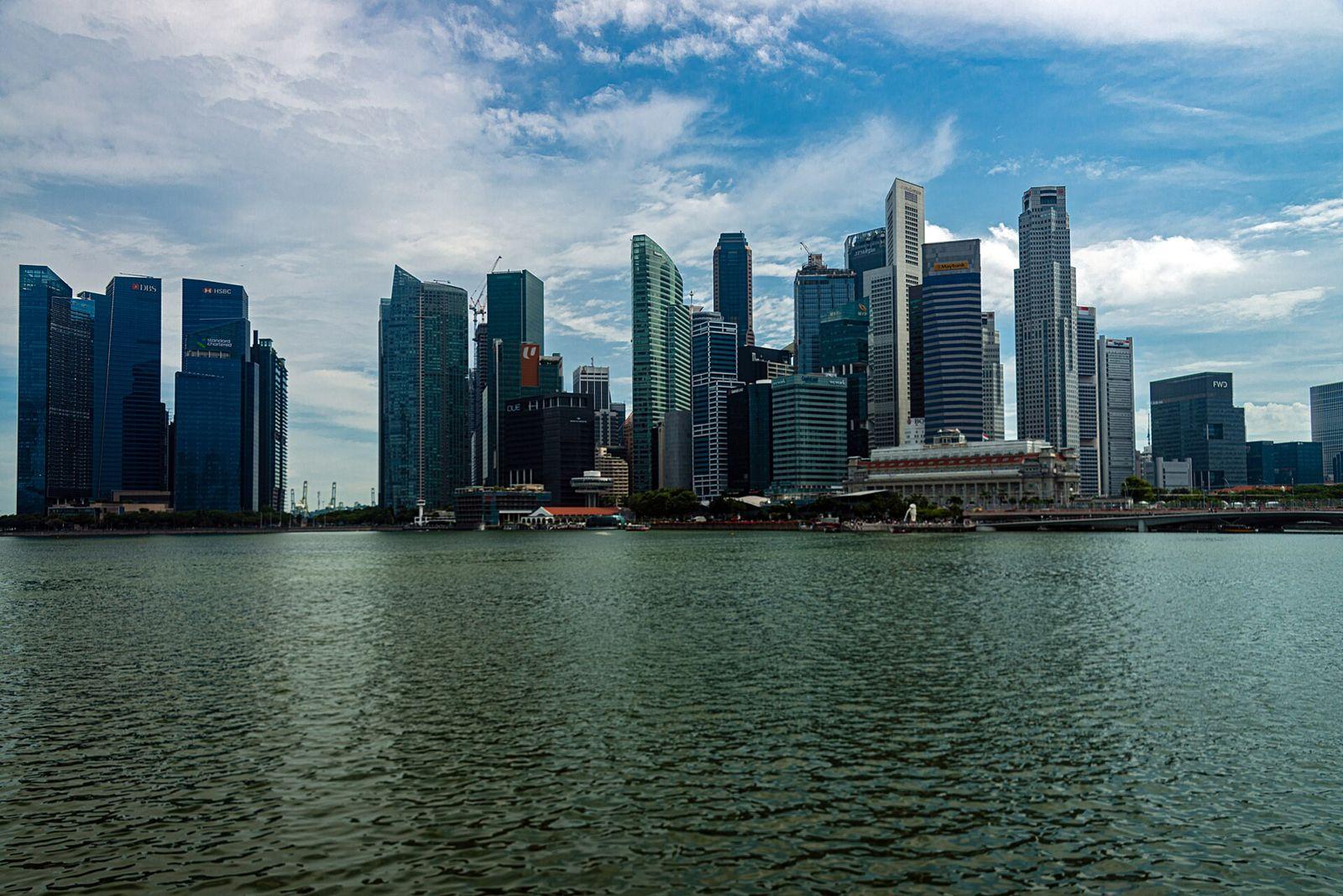
Southeast Asia's startup scene is raising more money than it has in years. Look closely at where that money is going, though, and the picture is far narrower than the headline totals suggest.
Venture capital funding for startups in Southeast Asia reached 7.25 billion dollars across 217 deals in the first half of 2026, according to data compiled by DealStreetAsia and Kickstart Ventures. That was more than double the 3.5 billion dollars raised in the second half of 2025, and the strongest half-year since early 2022.
But a single transaction accounted for about 62% of that total: a 4.5 billion dollar funding round for DayOne, a data-centre developer. Strip it out, and the region's startups raised roughly 2.75 billion dollars in the half — a much more modest figure.
The data-centre boom
The size of the DayOne round reflects one of the strongest investment themes in the world right now: the race to build the computing capacity that artificial intelligence requires. Data centres need land, reliable power, cooling and fast connections, and Southeast Asia — with Singapore as its financial hub and neighbouring countries such as Malaysia offering space and electricity — has become one of the busiest places to build them.
Data centres are an unusual fit for venture capital statistics. They are capital-intensive infrastructure projects, closer to building power stations than to funding a young software company. When a single project raises billions, it can make the whole startup market look stronger than it feels to most founders.
Separate figures attributed to Founders Forum Group and Dealroom put total funding for Southeast Asian startups at 10.7 billion dollars between January and September 2026, again lifted by large infrastructure and late-stage deals.
Why the data centres are coming here
Several features make Southeast Asia attractive to data-centre builders. It sits close to large and fast-growing internet populations in Indonesia, the Philippines, Vietnam and Thailand. Singapore offers deep capital markets, strong legal protections and some of the best international connectivity in the world, through the undersea cables that land on its shores. Its neighbours, particularly Malaysia, offer the land and electricity that land-scarce Singapore cannot.
Power is the decisive constraint. Large data centres need as much electricity as a small town, around the clock, and increasingly that power must be clean to meet the climate commitments of the technology companies that rent the space. Governments across the region are now weighing how much of their grid capacity to allocate to data centres, and on what terms — decisions that will shape where the next wave of investment goes.
For the region's economies, data centres bring construction jobs, investment and a stronger claim to be part of the global technology industry. They employ relatively few people once they are running, however, which is one reason governments are also keen to see local startups grow alongside them.
The squeeze on follow-on rounds
For many companies, the more pressing problem is what happens after their first funding round. Investors and founders across the region describe a structural gap in follow-on funding: startups that raised seed or early-stage money during the boom years of 2021 and 2022 are finding it hard to raise the larger rounds they need to grow.
Several forces are behind that. Global interest rates are higher than they were during the boom, which makes investors more selective. Many funds are still waiting to return money from earlier investments, because few Southeast Asian startups have reached public listings or large sales. And investors are concentrating their money on a smaller number of companies they see as clear winners.
Rising interest rates in the United States and Europe could make that harder. When safe assets such as government bonds pay more, the bar for risky, long-term investments such as startups goes up.
India cools
In India, Asia's largest startup market outside China, fundraising has been losing momentum. Startups raised 3.86 billion dollars in the third quarter of 2026, according to DealStreetAsia, down further from earlier in the year.
Deal-making has not stopped. In the first week of November alone, 22 Indian startups across a range of industries raised more than 290 million dollars between them, according to a weekly tally by Indian Startup News, led by the jewellery brand GIVA. But the pace is well below the peaks of recent years, and investors are favouring companies with a clear path to profit.
What it means for founders
For founders across Asia, the message is that capital is available, but on tougher terms. Investors want evidence that a business can earn money, not only grow. Companies tied to artificial intelligence and the infrastructure behind it are attracting the most interest, while consumer-internet businesses that relied on heavy spending to win customers are finding it harder.
That shift is not all bad. Startups built during a period of scarce capital often develop more disciplined habits, and some of the region's most successful companies emerged from earlier downturns.
A word on the numbers
Startup funding figures vary depending on who compiles them, which deals are counted and how infrastructure projects are classified. Claims of very large monthly totals sometimes circulate without independent confirmation. The Asian Times reports figures from established data providers and notes where a single deal dominates a total, as it does this year.
What to watch
Full-year figures for 2026 will show whether the data-centre boom continues and whether follow-on funding improves. The direction of US interest rates — with markets now expecting the Federal Reserve to raise rates in December — will influence how much global capital flows into Asian startups next year. And any revival in public listings, which would allow early investors to cash out and reinvest, would be among the clearest signs that the region's funding cycle is turning.