Exports
Sri Lanka's Exports Rise 5% to $13.6 Billion, but Apparel and Tea Lose GroundSri Lanka's Exports Rise to $13.6bn
Electronics, spices and rubber are carrying Sri Lanka's export growth this year, while the two traditional pillars — garments and tea — are slipping, with tea sales to the Middle East hit hard by the conflict in the region.

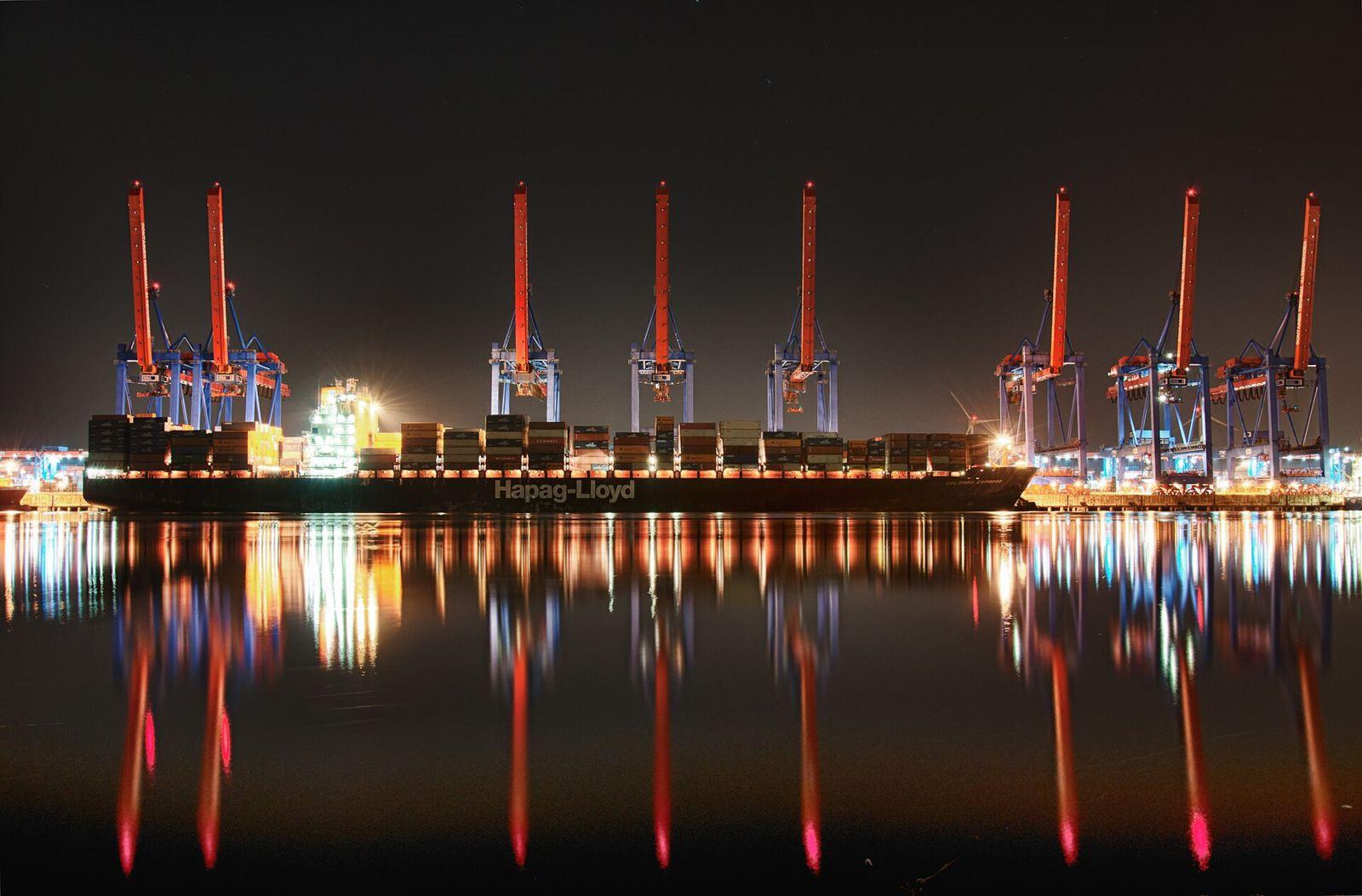
Sri Lanka's exports are growing, but the shape of what the country sells to the world is changing quickly. Newer industries such as electronics and spices are expanding fast, while garments and tea — for decades the twin pillars of the island's export economy — are losing ground.
Total exports of goods and services reached 13.61 billion dollars in the first nine months of 2026, up 5.04% from 12.96 billion dollars a year earlier, according to estimates from the Export Development Board (EDB). Merchandise exports rose 5.35% to 10.76 billion dollars, and services exports 3.88% to 2.85 billion dollars.
September was particularly strong. Total exports for the month rose 17.23% from a year earlier to 1.69 billion dollars, led by a 21.66% jump in merchandise exports to 1.39 billion dollars.
“[The performance] reflects the continued resilience and progress of our export sector.”
The new growth engines
The fastest-growing export category this year has been electrical and electronic components. Earnings rose 61.05% in the first nine months to 508.86 million dollars, and in September alone they jumped 88.35% to 68.54 million dollars. Sri Lanka has spent years trying to attract electronics assembly and component manufacturing, and the figures suggest that effort is beginning to show.
Spices, essential oils and oleoresins — including the cinnamon and pepper for which the island has been known for centuries — rose 30.53% to 430.53 million dollars over the nine months, and 73.19% in September. Rubber and rubber-based products, a large industry that includes tyres and gloves, grew 8.44% to 773.88 million dollars, with September up 33.68%. Coconut-based products rose 3.68% to 942.5 million dollars, although they fell 8.88% in September.
Services are growing more slowly. Information technology and business process management services, estimated at 1.24 billion dollars for the nine months, were up 3.69%. Transport and logistics services, which benefit from Colombo's position on the main shipping lanes between Asia and Europe, rose an estimated 23.32% in September to 167.9 million dollars.
Garments: a difficult year, with a late lift
Apparel and textiles remain by far the largest export industry, but they have had a hard year. Earnings fell 5.68% in the first nine months to 3.78 billion dollars. Monthly figures from the Central Bank of Sri Lanka showed that apparel earnings in August were about 7.4% lower than a year earlier.
September brought some relief. Apparel and textile exports rose 3.46% from a year earlier to 439.78 million dollars, a return to growth after weaker months, with apparel itself up 3.43% to 408.69 million dollars and textiles up 3.81% to 31.09 million dollars.
The industry, which employs hundreds of thousands of people, most of them women, depends heavily on orders from brands in the United States and Europe. Weaker consumer spending in those markets, as inflation and higher interest rates squeeze household budgets, feeds directly into fewer and smaller orders for Sri Lankan factories.
Tea and the Middle East
Tea, Sri Lanka's most famous export, has been hit by events far from the hill country. Tea earnings fell 6.83% in the first nine months to 1.08 billion dollars, and 1.38% in September to 135.11 million dollars.
The Middle East has long been one of the most important markets for Ceylon tea. In September, shipments to the United Arab Emirates fell 42.56%, to Iran 34.57% and to Iraq 55.73%, according to the EDB. The conflict involving Iran, which has severely disrupted shipping through the Strait of Hormuz and the wider Gulf since February, has made trade with the region more difficult, more expensive to insure and, in some cases, impossible to complete.
There were brighter spots within the category. Exports of tea bags rose 53.39% and instant tea 9.85%, a sign that producers selling higher-value, packaged products are faring better than those selling in bulk. But those gains were not enough to offset the fall in traditional markets.
Where the goods go
The United States remains Sri Lanka's largest single export market, taking about 20.3% of merchandise exports. Shipments to the US were almost flat over the nine months, at 2.25 billion dollars, but rose 18.06% in September. The European Union takes a similar share, about 20.12%; exports to the EU were broadly unchanged over the year to date.
The most notable shift is the rise of India. Exports to India grew 12.3% in the first nine months to 889.84 million dollars, and 29.65% in September, making India Sri Lanka's second-largest export destination and pushing the United Kingdom into third. Exports to the UK fell 9.33% to 654.36 million dollars.
Closer trade with India reflects geography, deepening investment links and growing demand from India's large and expanding middle class. It also gives Sri Lankan exporters a market that is less exposed to the slowdown in the West.
Why it matters
Exports are central to Sri Lanka's recovery from the 2022 crisis, when the country ran out of foreign currency to pay for fuel, food and medicine. Every dollar earned from exports helps the country pay for imports, service its foreign debts and rebuild its reserves, which the central bank put at 6.9 billion dollars at the end of August.
A broader export base is also a safer one. An economy that depends on a few products and a few markets is vulnerable when any of them falters, as the tea trade's exposure to the Middle East has shown this year. The growth of electronics, spices and rubber, and of trade with India, spreads that risk.
What to watch
Exporters face a demanding final quarter. Higher interest rates in the United States and Europe could weigh further on demand for garments. Any easing of the conflict in the Gulf would help tea and other trade with the Middle East, while further disruption would hurt. And a stronger dollar, if the Federal Reserve raises rates in December as markets expect, would make Sri Lankan goods cheaper abroad but raise the cost of the imported materials many exporters rely on.
The EDB is expected to publish October figures later this month.