Analysis
Hot US Inflation Puts Rate Hikes Back on the Table — and Asia Will Feel ItHot US Inflation Revives Rate Hikes
Consumer prices in the United States rose faster than expected in October, and traders now expect the Federal Reserve to raise rates in December. With Europe also tightening, Asian economies face a stronger dollar and costlier money.

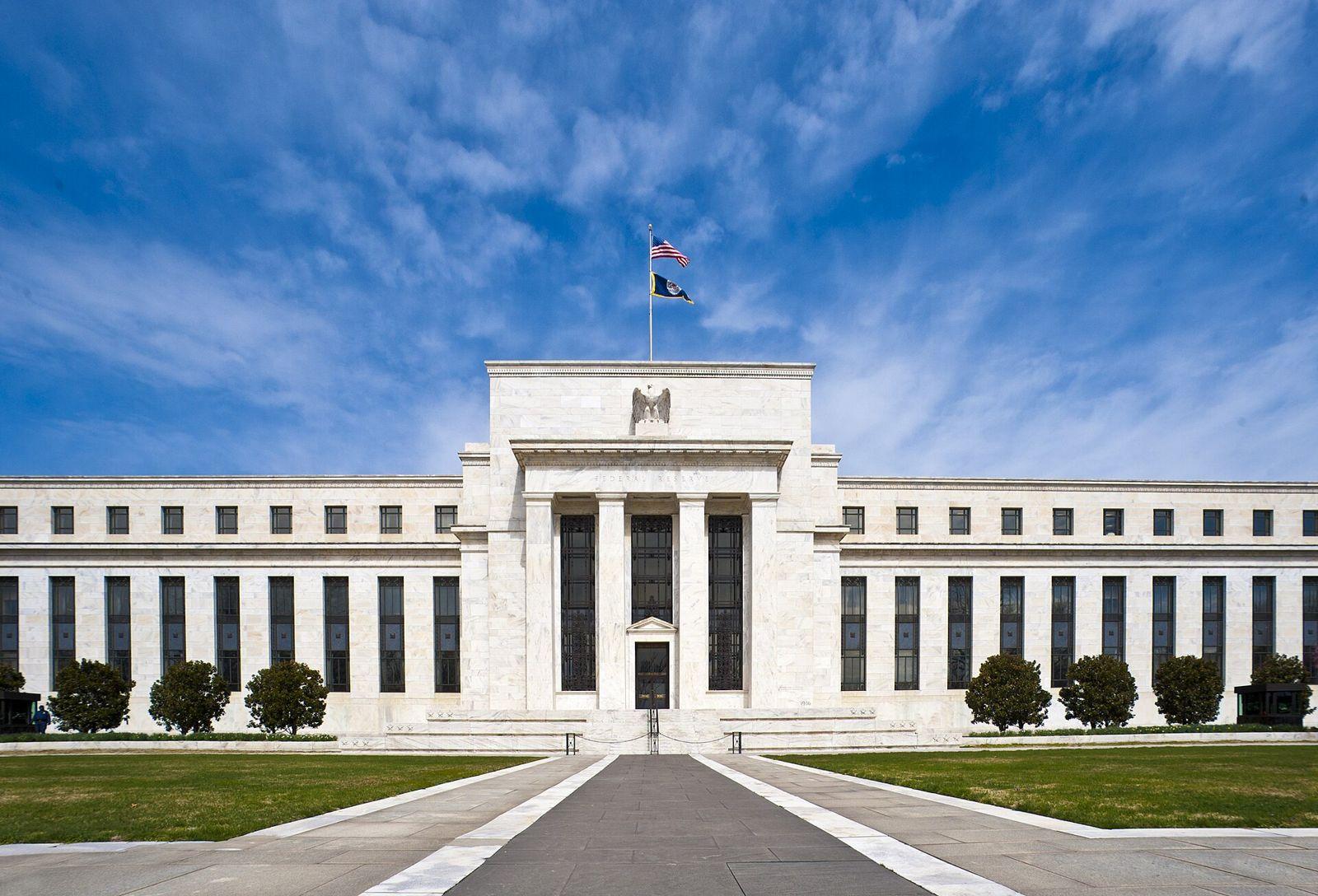
The world's most important central bank is preparing to raise interest rates again, and the effects will travel a long way from Washington.
US consumer prices rose 0.4% in October, according to figures published by the Bureau of Labor Statistics on 10 November, faster than the 0.3% that economists had forecast. So-called core prices, which exclude food and energy and give a clearer view of underlying inflation, rose 0.3%, against expectations of 0.2%. In September, headline prices had risen 0.6% and core prices 0.3%.
Within hours, traders had fully priced in a quarter-point increase in the Federal Reserve's benchmark rate at its meeting on 8 and 9 December. Stocks fell and yields on US government bonds jumped. The odds of a larger, half-point increase — close to zero before the report — rose to about 14%, according to the CME FedWatch tool, which tracks prices in interest-rate futures.
What drove the US numbers
Energy was a large part of the story. The energy index rose 0.7% in the month, with petrol up 1% and electricity 0.9%. Food prices rose 0.5%. Shelter costs, the single largest component of the index, rose 0.3% and accounted for more than 30% of the overall increase.
Transportation services rose 0.8%. Prices of used cars and trucks fell 1.2%, one of the few areas of relief.
One quirk of this report: the Bureau of Labor Statistics did not publish an annual inflation rate, because the US government shutdown of 2025 prevented it from collecting price data in October that year. Monthly changes are therefore the main guide.
Federal Reserve officials have pointed to three forces keeping inflation above the bank's 2% target, where it has now been for about five and a half years: tariffs, energy prices linked to the war involving Iran, and heavy spending on data centres and artificial intelligence. Anna Paulson, president of the Federal Reserve Bank of Philadelphia, said after the report that tariff effects were “beginning to fade” but that inflation pressures were “still very much with us”.
“Further gradual tightening seems appropriate.”
Lorie Logan, president of the Dallas Fed, said she saw a need for two more quarter-point increases. Christopher Waller, a Fed governor, had said before the release that a hot report could push him towards supporting a half-point move in December. The Fed held its benchmark range at 3.75% to 4% at its October meeting, in a 10-2 vote.
Europe is tightening too
The United States is not alone. Inflation in the eurozone rose to 4% in October, the highest in more than three years, driven by energy prices that were almost 21% higher than a year earlier. Core inflation in the eurozone was steadier, at 2.5%.
The European Central Bank raised its deposit rate in June and again in September, and kept it at 2.5% at its meeting on 29 October. In London, the Bank of England raised its main rate by a quarter point to 4% on 4 November. Across the rich world, the long period in which central banks were cutting rates has given way to a new round of increases, largely because of the energy shock.
Why Asia should pay attention
When the Federal Reserve raises rates, money tends to flow towards the United States, where it can now earn more with little risk. That usually lifts the dollar against other currencies. For Asian economies, a stronger dollar works through several channels at once.
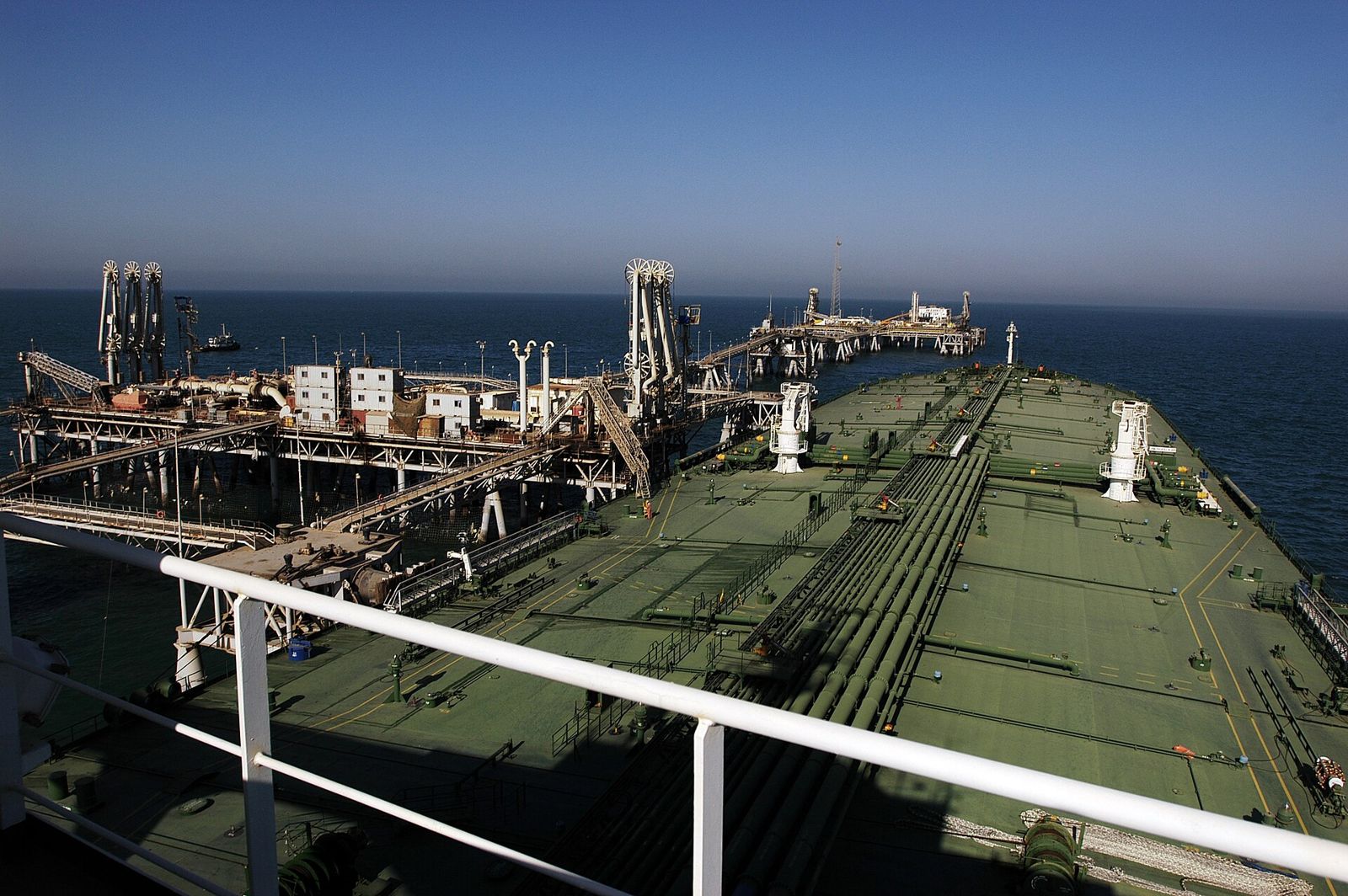
First, imports become more expensive. Oil, fuel, fertiliser and many industrial inputs are priced in dollars. A weaker local currency means paying more for the same barrel or tonne, adding to inflation that, in many countries, is already rising because of high energy prices.
Second, borrowing becomes costlier. Governments and companies that have borrowed in dollars must find more local currency to service those debts. Countries that are still rebuilding their finances after debt crises — Sri Lanka among them — are particularly sensitive to this.
Third, local central banks come under pressure to follow. If the gap between US rates and local rates narrows too much, investors may move money out, weakening the currency further. Even central banks that would rather support growth can feel obliged to keep rates high.
The view from Colombo
Sri Lanka faces exactly this squeeze. Inflation in Colombo rose to 8.3% in October, the highest since June 2023, driven mainly by transport and energy costs. The Central Bank of Sri Lanka raised its overnight policy rate to 8.75% in May and has held it there since. Its next decision is due on 20 November.
The rupee was trading at around 332 to the dollar this week. The central bank has built its reserves to 6.9 billion dollars, as of the end of August, partly by buying foreign currency, which gives it some room to smooth sharp movements. But a sustained rise in the dollar would make its job of bringing inflation back towards its 5% target harder.
For Sri Lankan households, the most direct effect would come through fuel and imported food. For businesses, it would come through the cost of imported machinery and materials, and through borrowing costs if local rates stay higher for longer.
Across the region
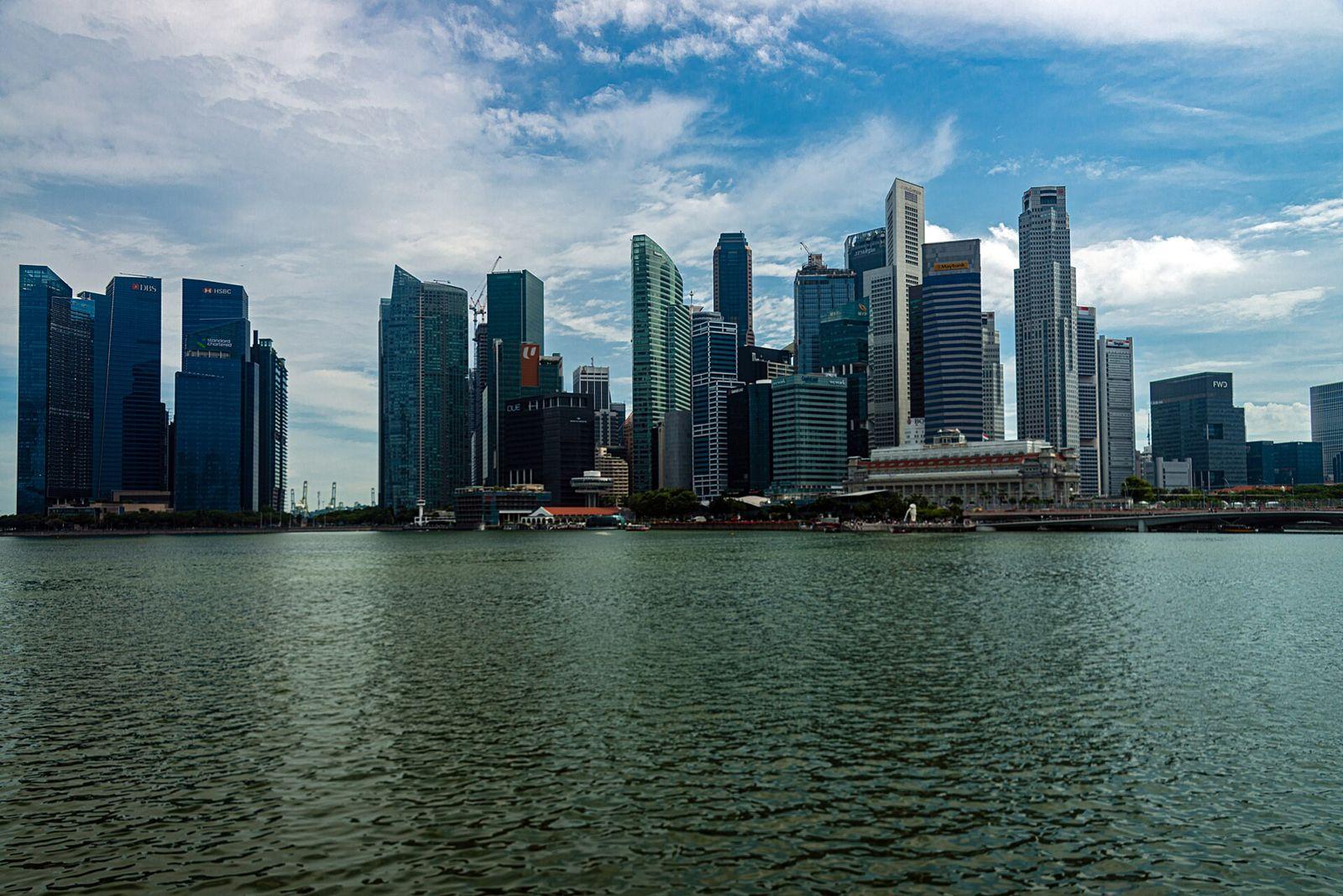
Other Asian markets reacted cautiously. Regional stock markets were mixed on Wednesday, with Tokyo higher and Hong Kong lower. Economies with large current-account surpluses and deep reserves, such as Japan, South Korea, Taiwan and Singapore, are generally better able to absorb a stronger dollar. Those that rely on imported energy and foreign borrowing, including several in South and Southeast Asia, are more exposed.
Exporters can benefit from weaker currencies, which make their goods cheaper abroad. But that advantage is limited when demand in their biggest markets — the United States and Europe — is itself being slowed by higher interest rates.
What to watch
The next big US data point is the personal consumption expenditures price index, the Fed's preferred inflation measure, due later in November. Then comes the Fed's decision on 9 December. In Asia, attention turns to the Central Bank of Sri Lanka on 20 November and to other regional central banks as they decide whether to move with Washington or hold their ground.
The broader lesson of October's figures is that the energy shock from the Middle East has not yet run its course, and that the world's central banks are not finished fighting it. For Asian economies, that means planning for a period in which money stays expensive and the dollar stays strong.