Courts
Public-Funds Case Against Former President Wickremesinghe Put Off to 9 DecemberWickremesinghe Case Put Off to 9 December
The Colombo Fort Magistrate's Court postponed the CID case over the alleged misuse of more than Rs 16.6 million in public funds, as the Attorney General's next steps remain pending.

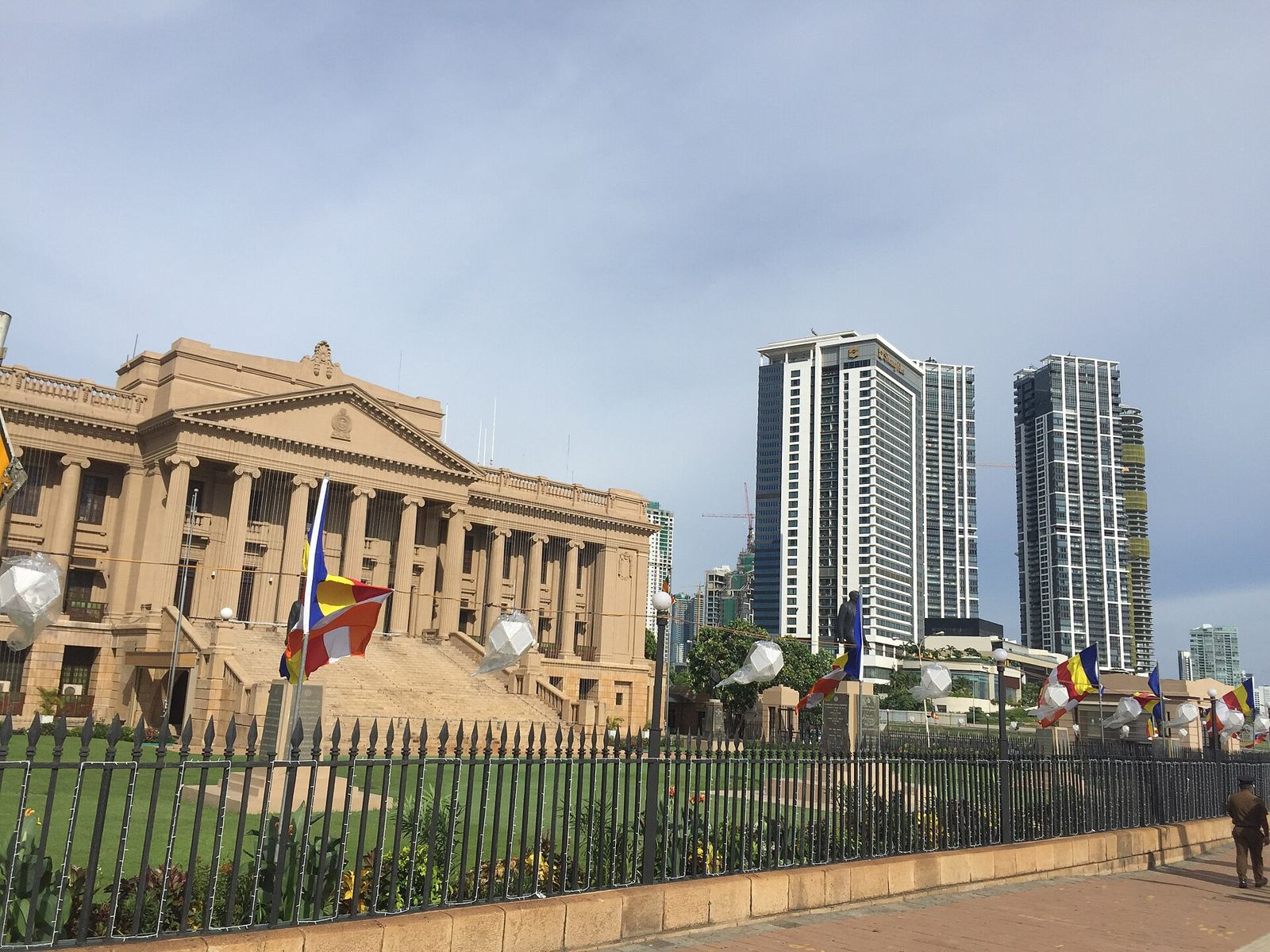
A Colombo court on Wednesday postponed until 9 December the case against former President Ranil Wickremesinghe over the alleged misuse of public funds, the latest step in a high-profile matter that has tested how Sri Lanka holds its most senior former officials to account.
Wickremesinghe arrived at the Colombo Fort Magistrate's Court on Wednesday for the hearing, which had been fixed to obtain an update on the Attorney General's advice on how the case should proceed. The court set the next date for 9 December.
What the case is about
The case was brought by the Criminal Investigation Department (CID) under the Public Property Act against Wickremesinghe and his former Presidential Secretary, Saman Ekanayake.
It concerns the alleged misuse of public funds in connection with Wickremesinghe's attendance at his wife's graduation ceremony in the United Kingdom in 2023, during an official visit to the United States and the United Kingdom late that year. Court reporting has put the sum in question at more than Rs 16.6 million, with some reports citing about Rs 16.9 million.
The allegations have not been tested at trial. Neither man has been convicted of any offence, and both are entitled to the presumption of innocence.
How the case reached this point
The CID arrested Wickremesinghe on 22 August 2025, and he was remanded in custody until 26 August — the first time a former Sri Lankan head of state had been placed in remand. He was later released on three personal bail bonds of Rs 5 million each, after medical reports were submitted to the court.
Since then, the matter has returned to the magistrate's court at regular intervals while investigators completed their work. In April 2026, the court asked the Attorney General to move without delay towards filing indictments in the High Court, where serious criminal cases are tried.
At the most recent hearing before Wednesday's, on 30 October, both Wickremesinghe and Ekanayake appeared in court. The CID told the magistrate that its investigations were complete and that the relevant files and documents had been forwarded to the Attorney General for further action. After considering the progress of the investigation, the magistrate fixed 11 November as the next date, pending the Attorney General's advice.
Wednesday's postponement means that advice — and with it the question of whether, and on what charges, the case will move to the High Court — will be considered again in December.
Key dates
Late 2023: Wickremesinghe, then president, makes an official visit to the United States and the United Kingdom, during which he attends his wife's graduation ceremony in the UK. 22 August 2025: the CID arrests him; he is remanded until 26 August and later released on bail. April 2026: the magistrate asks the Attorney General to proceed without delay towards indictments. 30 October 2026: the CID tells the court its investigations are complete. 11 November 2026: the case is put off to 9 December.
How the process works
In Sri Lanka, criminal investigations are reported to a magistrate's court, which supervises the progress of the inquiry and decides matters such as remand and bail. For serious offences, it is the Attorney General's Department that decides whether the evidence supports prosecution and, if so, files an indictment in the High Court, where the trial takes place.
That is why the case has repeatedly returned to the magistrate's court — not for a trial, but to track whether the investigation has been completed and what the Attorney General intends to do. Postponements at this stage are common, particularly in complex cases involving financial records.
The Public Property Act deals with offences involving property belonging to the state, including public money. Cases under the Act are treated seriously because they concern the stewardship of funds that belong to taxpayers.
Why it matters
Wickremesinghe is one of the most experienced figures in Sri Lankan politics. A former leader of the United National Party, he served as prime minister several times before becoming president in July 2022, at the height of the economic crisis, after his predecessor left office amid mass protests. He led the country through the early stages of its recovery, including its programme with the International Monetary Fund, until he was defeated in the presidential election of September 2024 by Anura Kumara Dissanayake.
Dissanayake's National People's Power government came to office promising to tackle corruption and to end what its supporters described as a culture of impunity among the political class. Cases involving former senior officials are therefore watched closely, both by those who see them as overdue accountability and by critics who will look for any sign that legal processes are being used for political ends.
That is why the way the case is handled matters as much as its outcome. A process that is transparent, follows the law and moves at a reasonable pace would strengthen public confidence in the institutions involved — the police, the Attorney General's Department and the courts. Long, unexplained delays, by contrast, tend to feed suspicion on all sides.
What happens next
The case will be called again before the Colombo Fort Magistrate's Court on 9 December. At that hearing, the court is expected to be told the Attorney General's position on the next steps. If the Attorney General decides to prosecute, the case would move to the High Court by way of indictment, and a trial date would be set there.
Until then, Wickremesinghe and Ekanayake remain free on bail, and the allegations against them remain unproven. The Asian Times will report developments in the case as they happen.
A note on our reporting
This report is based on proceedings in open court and on information presented to the court by the investigating authorities. Where figures differ between court reports, we have given the range. We will update this story if the court record changes.