Weather
Heavy Rain Warning as Sri Lanka's Maha Paddy Season Gets Under WayHeavy Rain as Maha Season Begins
Forecasters expect more than 100mm of rain in parts of five provinces today. Farmers planted early this season to avoid November floods, and the government says fertiliser stocks are sufficient — but irrigation and El Niño remain worries.

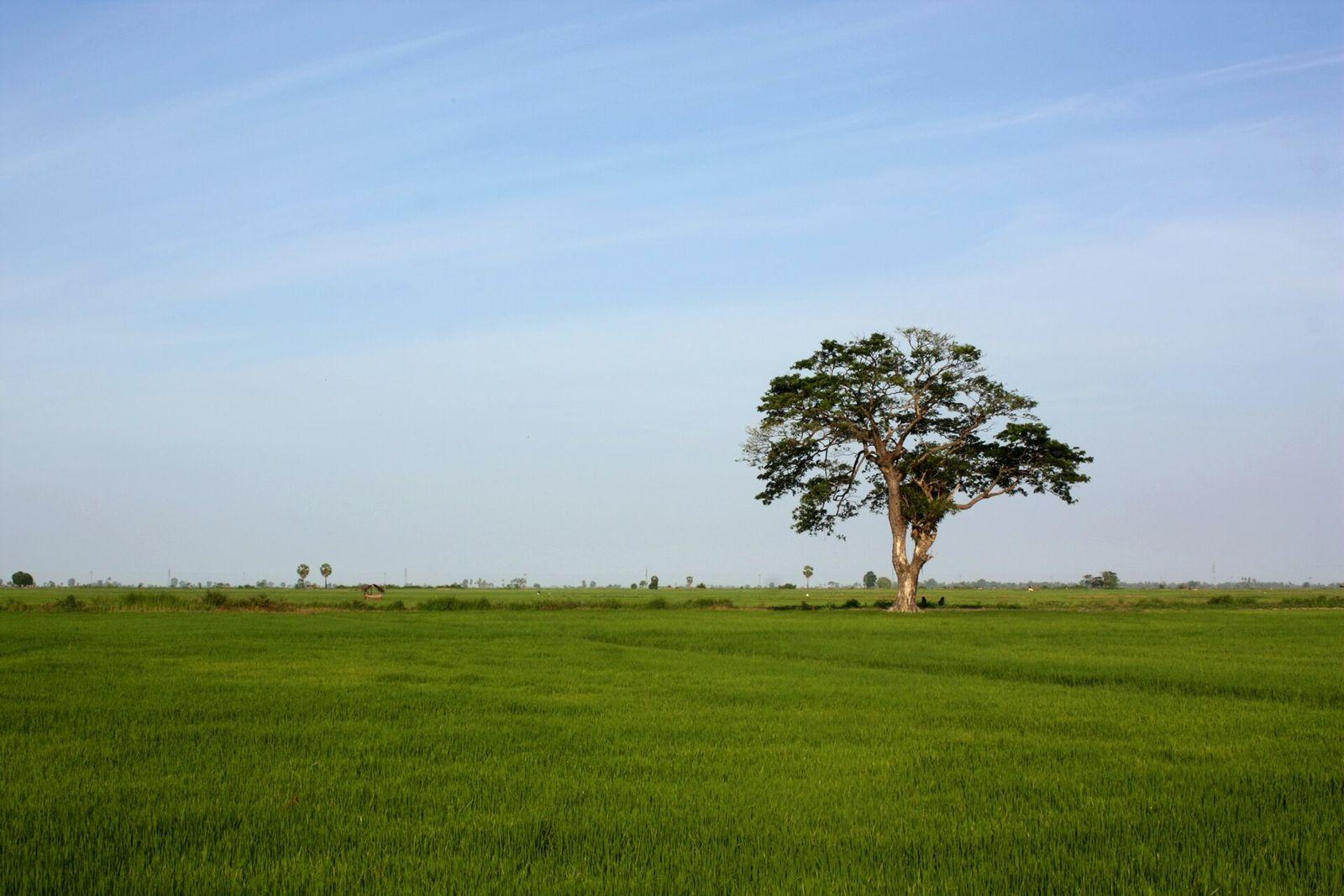
Sri Lanka's farmers are entering the heart of the Maha season under heavy skies. The Department of Meteorology expects heavy showers of more than 100mm in parts of five provinces today, and forecasters are watching another low-pressure system over the Bay of Bengal this month.
The rain comes at a critical moment. The Maha season, which runs with the north-east monsoon from roughly October to March, produces the larger of Sri Lanka's two rice harvests each year. This season, the government took the unusual step of asking farmers to plant early, precisely because forecasts pointed to flooding around November.
Two seasons, one staple
Sri Lanka grows rice in two seasons, each tied to a monsoon. The Yala season, from roughly May to August, depends on the south-west monsoon. The Maha season, which begins in September or October with the north-east monsoon and is harvested early in the following year, is the larger and more important of the two, producing the bigger share of the country's annual rice crop.
In a good year, the two harvests together come close to meeting the country's needs, so that little or no rice has to be imported. In a bad one — as in 2021 and 2022, when the fertiliser ban and the economic crisis combined — shortages push up prices and force imports that a country short of foreign currency can ill afford.
Planting ahead of the floods
Last month, Agriculture Minister K.D. Lal Kantha announced that the season would start earlier than usual.
“We have decided to bring the Maha season forward by about two weeks. Forecasts suggest there could be flood conditions around November.”
The Department of Agriculture urged farmers to prepare their land as soon as possible and to complete sowing in the second half of October, with planting staggered across districts depending on water availability. The idea is simple: rice plants that are already established when heavy rain arrives are far more likely to survive flooding than seedlings or freshly sown fields, which can be washed away or drowned.
Whether that strategy works will become clear over the coming weeks. Heavy rainfall in a short period can still damage young crops, particularly in low-lying fields, and can disrupt the application of fertiliser, which is washed away if it is spread just before a downpour.
Fertiliser: support and supply
Fertiliser has been a sensitive subject in Sri Lanka since 2021, when a sudden ban on chemical fertilisers caused rice yields to fall sharply and contributed to the food shortages of the economic crisis. Governments since have been careful to make sure supplies are adequate.
For this season, the Cabinet approved a fertiliser subsidy of about Rs 16 billion. Paddy farmers receive Rs 30,000 per hectare, for up to two hectares.
The National Fertilizer Secretariat said on 2 November that supplies were sufficient for the season. According to the secretariat, 218,000 metric tonnes of urea — the most widely used nitrogen fertiliser — are available against a seasonal requirement of 180,000 tonnes, including about 98,700 tonnes being unloaded from three vessels and further shipments expected in November and December. For muriate of potash (MOP), 57,500 tonnes are available against a requirement of 57,000 tonnes.
“Sufficient fertilizer stocks required for the Maha season are currently available within the country.”
All fertiliser stocks can now be obtained through Agrarian Services Centres and commercial outlets, the secretariat said.
The irrigation question
Subsidies only help if farmers can grow a crop. Commentators have warned that in areas where irrigation supplies are inadequate, farmers may be unable to benefit fully from subsidised fertiliser. Much of Sri Lanka's rice is grown in the dry zone of the north, east and north-central regions, where cultivation depends on reservoirs and canals that fill during the monsoon.
That makes the pattern of the rains as important as their total. Too much rain at once brings floods; too little later in the season leaves reservoirs short when crops need water to mature.
El Niño and the dry months ahead
Forecasters are also watching the Pacific. El Niño, a periodic warming of the eastern Pacific Ocean, can disturb rainfall patterns across South Asia. The Department of Meteorology has said it expects a significant increase in rainfall in October and November, followed by reduced rainfall from January to April. The Central Bank of Sri Lanka has cited possible El Niño risks as one of the uncertainties in its inflation outlook.
A wet start followed by a dry finish is a difficult combination for rice farmers: fields can flood early in the season and then lack water during the weeks when grain fills out. Planting early helps here too, since crops that mature sooner need less water from the drier months.
Why it matters for prices
The Maha harvest matters to every household in the country. Rice is the staple food, and the size of the harvest has a direct effect on prices in the shops. Food inflation in Colombo reached 8.8% in October, its highest in more than three years, according to the Department of Census and Statistics. A good harvest early next year would help bring that down; a poor one, caused by floods or drought, would push it higher.
A successful season also matters for farm incomes in rural areas, where most of Sri Lanka's poorest households live, and for the country's import bill, since any shortfall in rice must be made up with imports paid for in foreign currency.
Advice for today
Farmers and residents in the affected provinces are advised to follow updates from the Department of Meteorology and the Disaster Management Centre, to avoid applying fertiliser immediately before heavy rain, to clear drainage channels around fields where possible, and to take care in areas prone to flooding and landslides. The Asian Times will update this report as forecasts change.